
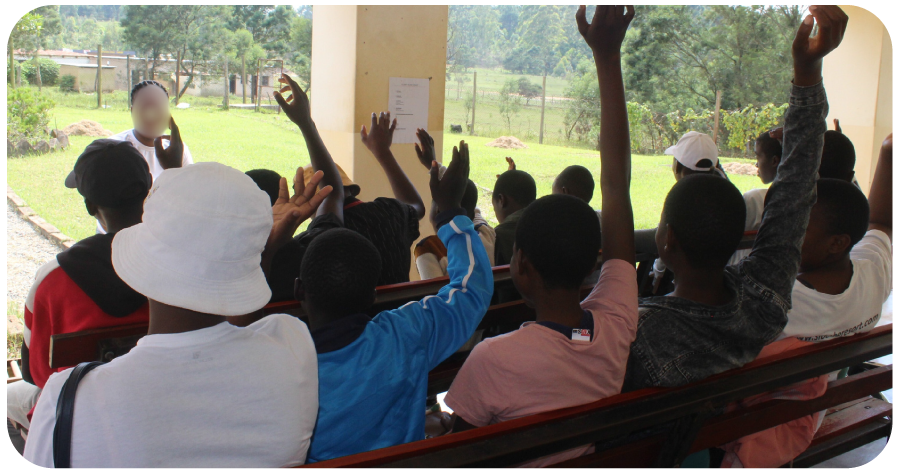
During the period, Baylor Foundation Eswatini implemented teen club initiatives through structured sessions, supported by two funding streams—UNICEF and the Global Fund through CANGO—across different regions. This dual funding expanded support for adolescents living with HIV.
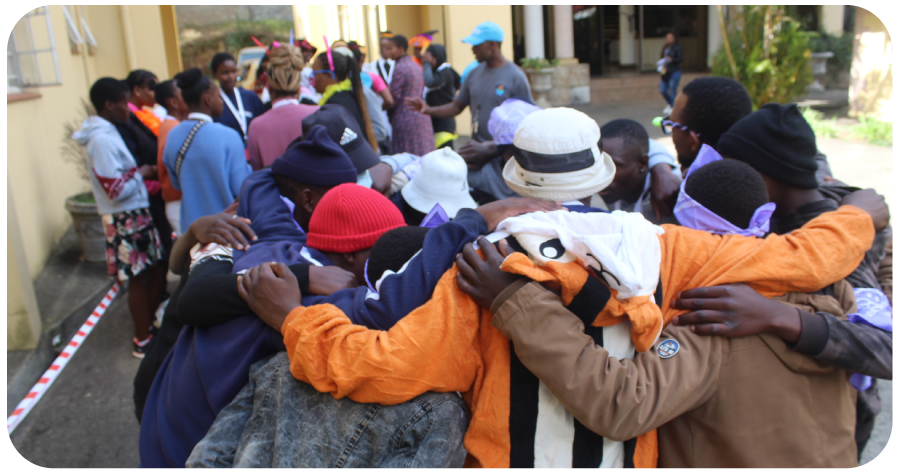

Since 2006, Baylor Foundation Eswatini, with support from UNICEF Eswatini, has led Teen Clubs to support adolescents living with HIV (ALHIV) through peer mentorship, relationship-building, self-esteem development, and life skills, contributing to improved clinical and mental health outcomes and successful transitions into adulthood.

This past year, the Teen Club program delivered 47 sessions across three Baylor Foundation Eswatini sites, facilitated by clinical staff, teen leaders, and partners. Between July 2024 and June 2025, 797 adolescents participated, gaining knowledge to improve health outcomes and support viral suppression through peer engagement.

Sessions also emphasized leadership and life skills through partner collaborations. Through Waterford KaMhlaba Robotics CAS Group, 15 teens were introduced to STEM and robotics. Teens also received education from the Eswatini Royal Police Domestic Violence, Child Protection, and Sexual Offences Unit (DCS) on alcohol, drug abuse, and gangsterism.
“Now that I attend Teen Club, I have the confidence to talk about my HIV status with peers who are also living with HIV. I feel empowerment each time I attend Teen Club”
Wakhile (Teen Club Participant)
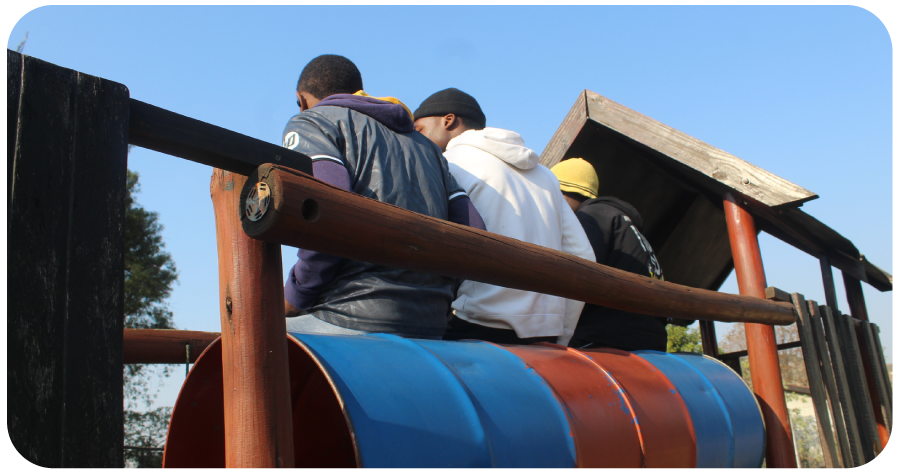
Across 19 Baylor Foundation Eswatini–supported facilities, Teen Clubs remain vibrant, facility-led programs. Bi-monthly sessions align with adolescents’ ART refill schedules and address adherence, sexual and reproductive health, mental health, family planning, hygiene, human rights, relationships, and GBV. In total, 228 teens were reached across the 19 facilities.
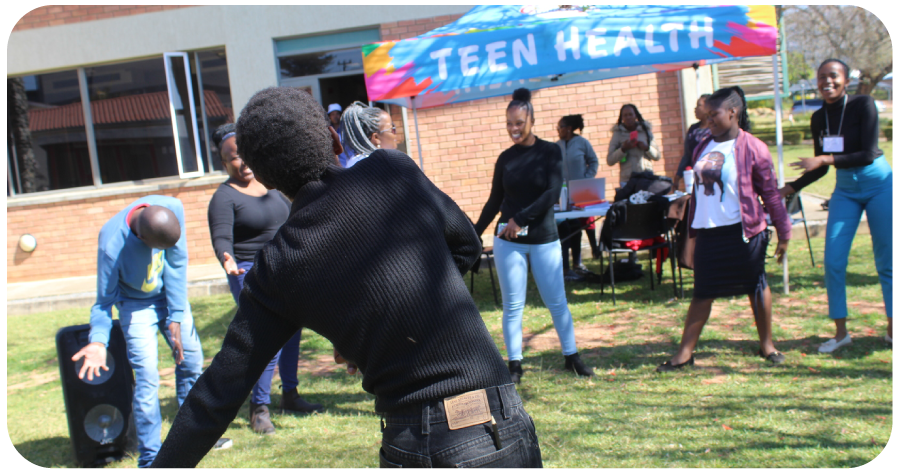
Baylor Foundation Eswatini began implementing a treatment literacy and support project, “Halting the spread of HIV and reversing its impact in Eswatini,” in July 2021 with Global Fund support. Services are delivered by Community Adolescent Treatment Supporters (CATS), who establish and maintain teen clubs at community clinics. The program also strengthens caregivers’ capacity to support adolescent HIV care. Adolescents receive treatment literacy, adherence support, home visits, teen club sessions, mental health services, disclosure support, mentorship, and psychosocial care at community level.
From July 2024 to June 2025, 21 CATS supported 19 facilities in 10 Tinkhundla across Eswatini, enrolling 495 adolescents. Ages 20–24 comprised 32% of enrollees, while ages 18–19 represented 16%.
Over the last year the program achieved 95% viral suppression (412 beneficiaries), exceeding the national average of 83%. CATS conducted 1,255 home visits supporting 394 beneficiaries; 70% were successfully re-engaged in care. Mental health services supported 433 beneficiaries with disclosure, including 31 not fully disclosed, with ongoing caregiver support for children aged 12 and below.
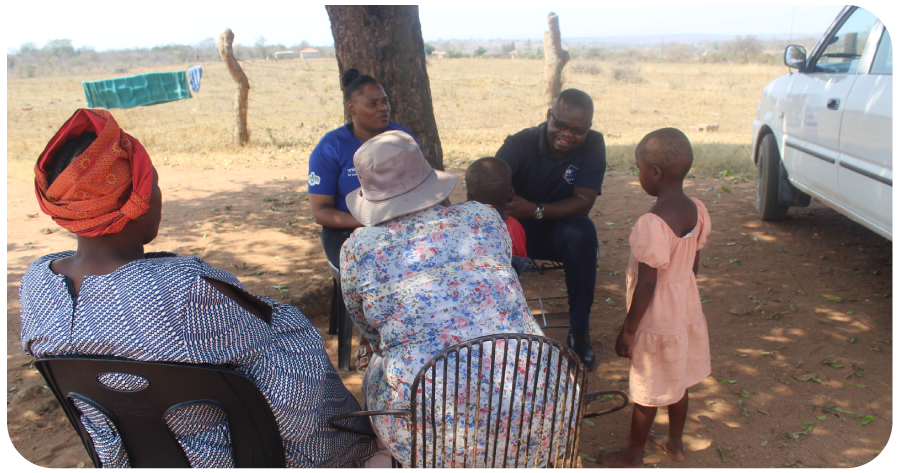
The social work unit addresses the psychosocial needs of all clients attending Baylor Foundation Eswatini clinics. We offer several services under the mandate, with an emphasis on ART adherence counseling for clients who show detectable viral loads. Disclosure counseling is another service that is provided to clients, particularly children and adolescents, as it is vital to ART adherence. The unit also works with the Deputy Prime Minister’s (DPM) Office, responsible for children’s welfare, to address some social issues encountered by children and adolescents. In particular, Baylor intervenes in situations where a parent refuses their child to start ART or in cases of domestic violence or harmful environments. Through programming, our social work team additionally serves those initiating and actively receiving cancer treatment, ensuring that their mental health is addressed alongside their physical needs.
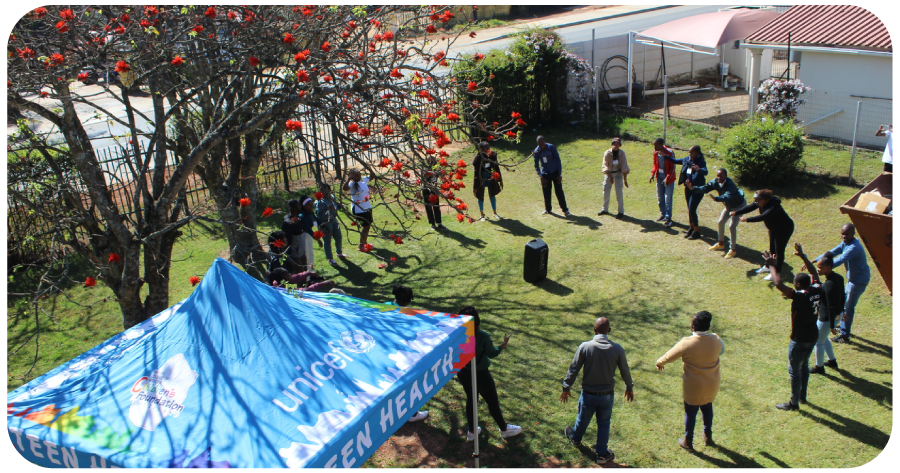
Baylor Foundation Eswatini conducts the Sibancobi Camp annually, supported by the Serious Fun Children’s Network, in a safe, supportive setting. The camp promotes joy, confidence, and connection for adolescents living with HIV/AIDS through creative activities. From July 2024 to June 2025, 76 adolescents (36 males, 40 females) aged 15–19 from three BFE sites attended the residential camp at Thokoza Conference Centre, Mbabane.
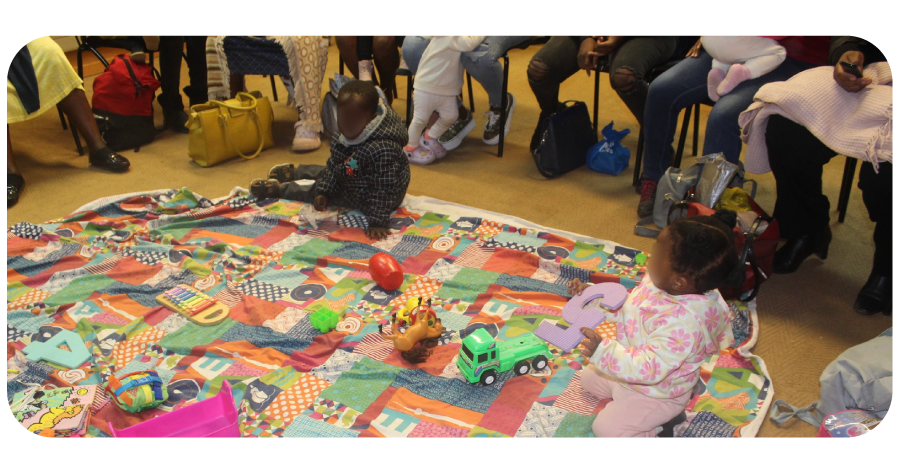
Baylor Foundation Eswatini supports improved child health outcomes through the Baby Club, a mother–baby support group launched in 2017. The program provides psychosocial support and adherence education for caregivers. Enrollment grew from 10 mother–baby pairs in 2017 with 89% viral suppression to 160 pairs in 2025 with 93% suppression, exceeding the national rate of 90%. The program is supported by UNICEF.
QUOTES: “Baby Club has greatly improved clinic attendance and adherence for children aged 0-5 on ART. The support given, including assistance with transport money, makes it easier for caregivers to come for refills regularly. They also support each other, and as a result, we are seeing improved viral suppression in these children.” – Celumusa Dlamini (Nurse)
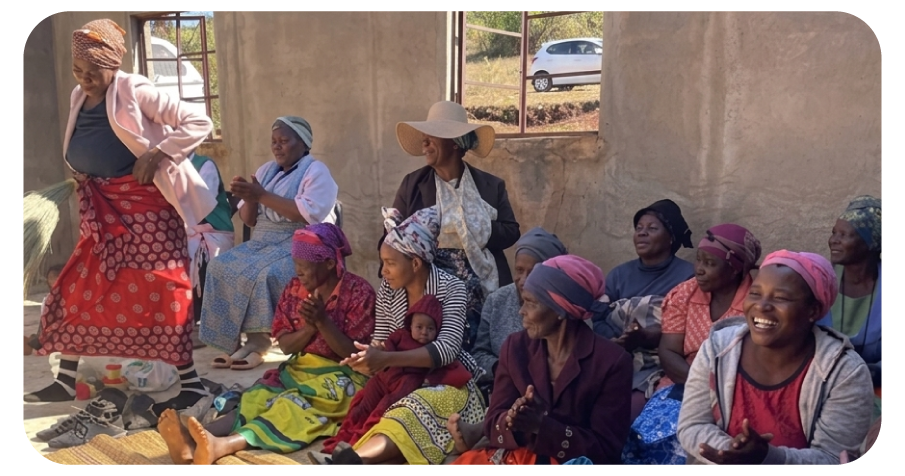
Baylor Foundation Eswatini hosts the Self-Help Group (SHG) program in Eswatini, supported by Kindernothilfe, providing mentoring and monitoring to seven implementing partners. The program empowers marginalized women in rural and peri-urban communities by organizing them into small, self-managed groups that improve socioeconomic status. Members meet weekly to save, discuss social issues, and build knowledge on rights, accountability, and community development.
As capacity strengthens, implementing partners gradually transfer ownership to the groups, enabling independent operation. Multiple SHGs may form federations through Cluster Level Associations (CLAs) to amplify collective voices, access markets, and address broader community issues. The program emphasizes women’s empowerment, leadership, and gender equality.
From July 2024 to June 2025, 395 self-help groups with 7,045 members supported 17,443 children. The CLA also promotes stronger community monitoring and reporting through existing structures, including community police and headmen, to prevent and report child abuse.
Self-Help Group (SHG) savings help members cover school fees, supplies, uniforms, pocket money, and transport, reducing long walks to school and improving children’s academic performance.
To promote income and financial independence, SHG members start small businesses using group savings, reducing reliance on exploitative lending.
“The Self-Help Group is like a mother to me. Since I joined, I have never gone to bed
hungry with my children,”
said Fikile, recalling the uncertainty she faced after the death of her husband and her fear
that her children would never complete their education. But through the strength of the
community and the support of the SHG, that fear has been replaced by confidence and
purpose. She expressed deep gratitude to the community facilitator, saying
“Thank you for opening our minds to such a powerful concept.”
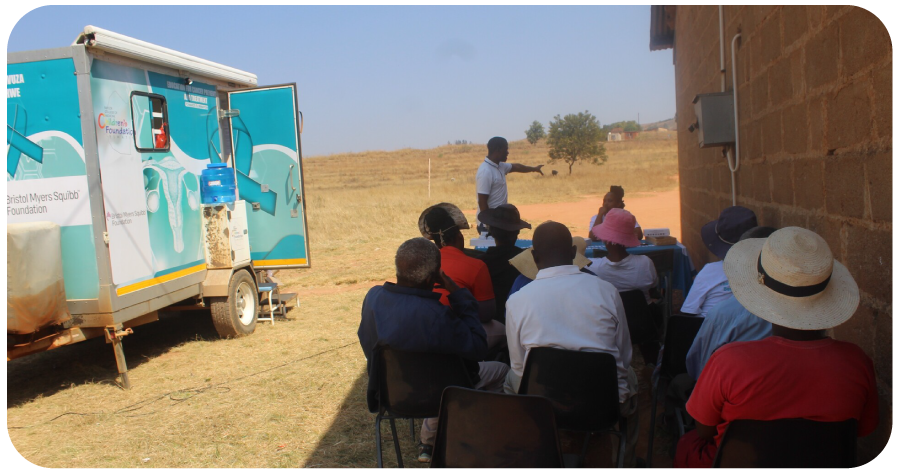
Cervical cancer is a major public health challenge in Eswatini, accounting for 37.6% of cancers in women, driven by limited screening and treatment access. With support from the Bristol Meyers Squibb Foundation (BMSF), Baylor Foundation Eswatini is supporting the Ministry of Health’s NCCU to implement the Towards Elimination of Cervical Cancer in Eswatini by 2030 initiative, using a sustainable roving model to deliver services at the Tinkhundla level.
The recommissioning of phase two was held at Lobamba Lomdzala Inkhundla and attended by over 300 stakeholders, highlighting the importance of early screening and treatment.
From July 2024 through June 2025, Baylor Foundation Eswatini conducted 215 community outreach activities, reaching 24,458 individuals with cervical cancer education. The program aims to screen 70% of women by age 35 and again by age 45. Screening primarily uses Visual Inspection with Acetic Acid (VIA) for immediate results, with Pap smears used when VIA is not appropriate, and samples processed through the national laboratory.
The program screened 4,516 women for cervical cancer: 37% via pap smear and 63% via VIA, enabling expanded screening for women aged 20–49 with on-site treatment.
VIA screening uptake was highest among women aged 30–44, aligning with early detection priorities. Screening also extended to women over 50 using pap smears, with strong participation among older women and services reaching ages up to 89.